



- April 21, 2026
- By Sandra Dai
- Company News, Industry News
Sheet metal fabrication transforms raw metal sheets into precision-built components through processes such as cutting, bending, welding, assembly, and surface finishing. Like industrial Lego, each fabrication step must work together with accuracy to create durable, functional products tailored to specific applications.
In practice, successful fabrication depends on far more than machinery alone. Consistent quality requires strong process control, precise workmanship, and clear coordination throughout production. Even small communication gaps or manufacturing inconsistencies can lead to dimensional errors, production delays, rising costs, and quality issues.
For many buyers, the real challenge is not simply finding a factory that can produce metal parts, but finding a reliable fabrication partner that can accurately translate technical requirements into production-ready solutions, maintain consistent standards across batches, and support projects with clear and responsive communication from prototype to production.
The “Building Blocks” of Sheet Metal Fabrication
Just like Lego pieces connect to form a final structure, sheet metal fabrication relies on a series of core processes that work together.
Laser Cutting
Laser cutting is usually the first step. It defines the shape of the part by cutting flat metal sheets with high precision.
This process allows for:
- Complex geometries
- Tight tolerances
- Clean edges with minimal post-processing
Bending and Forming
Once the flat sheet is cut, it is bent into the required shape using press brakes or forming tools.
This step transforms a 2D design into a 3D structure and determines:
- Structural strength
- Assembly fit
- Final geometry
Welding and Assembly
Individual components are then joined together through welding or mechanical assembly.
This stage is critical for:
- Structural integrity
- Alignment accuracy
- Long-term durability
Surface Finishing
Finally, surface treatments are applied to improve both performance and appearance.
Common finishing options include:
- Powder coating
- Galvanizing
- Anodizing
- Brushing or polishing
Each of these processes acts like a “building block” — and when combined correctly, they create a complete and functional product.
Turning Design Into Reality: The Role of a Fabrication Partner
While sheet metal fabrication follows a structured production workflow, the final quality of a product depends heavily on how well each manufacturing step is controlled in practice. Precision cutting, bending accuracy, welding consistency, and assembly alignment all directly impact the fit, strength, and reliability of the final product.
Even with well-prepared drawings, manufacturing challenges can still arise during production. Material behavior may vary during forming, tolerances can shift across multiple processes, and small alignment errors during assembly can affect overall dimensional accuracy. Without strong process control and production experience, these issues can lead to rework, delays, and inconsistent product quality.
A reliable fabrication partner does more than simply follow technical drawings. They understand how engineering requirements translate into real manufacturing conditions and can identify potential production risks early in the process. From optimizing fabrication methods to improving manufacturability and assembly efficiency, experienced fabrication teams can often reduce production complexity, improve consistency across batches, and help control long-term production costs.
This becomes especially important for projects that move from prototypes into repeat production, where consistency, scalability, and process stability are critical. Ultimately, successful fabrication is not just about producing metal parts. It is about delivering reliable, production-ready solutions that perform consistently in real-world applications.
Looking for a Reliable Metal Fabrication Partner?
At XTron Metal, we bring over 15 years of experience in sheet metal fabrication, supported by an experienced engineering team, skilled production personnel, and structured factory management systems. From sample development to production manufacturing, our team works closely across engineering, production, and project coordination to ensure that each project moves efficiently from design to delivery.
Our manufacturing capabilities cover a wide range of fabrication processes, including laser cutting, bending, welding, assembly, and surface finishing. Backed by organized production workflows and quality-focused process management, we are able to support both custom fabrication projects and repeat production requirements with consistent execution and reliable lead times.
Beyond production capacity, we place strong emphasis on communication and practical problem-solving throughout the manufacturing process. By combining technical understanding with responsive project coordination, we help clients navigate manufacturing challenges more efficiently and turn design concepts into production-ready metal solutions.
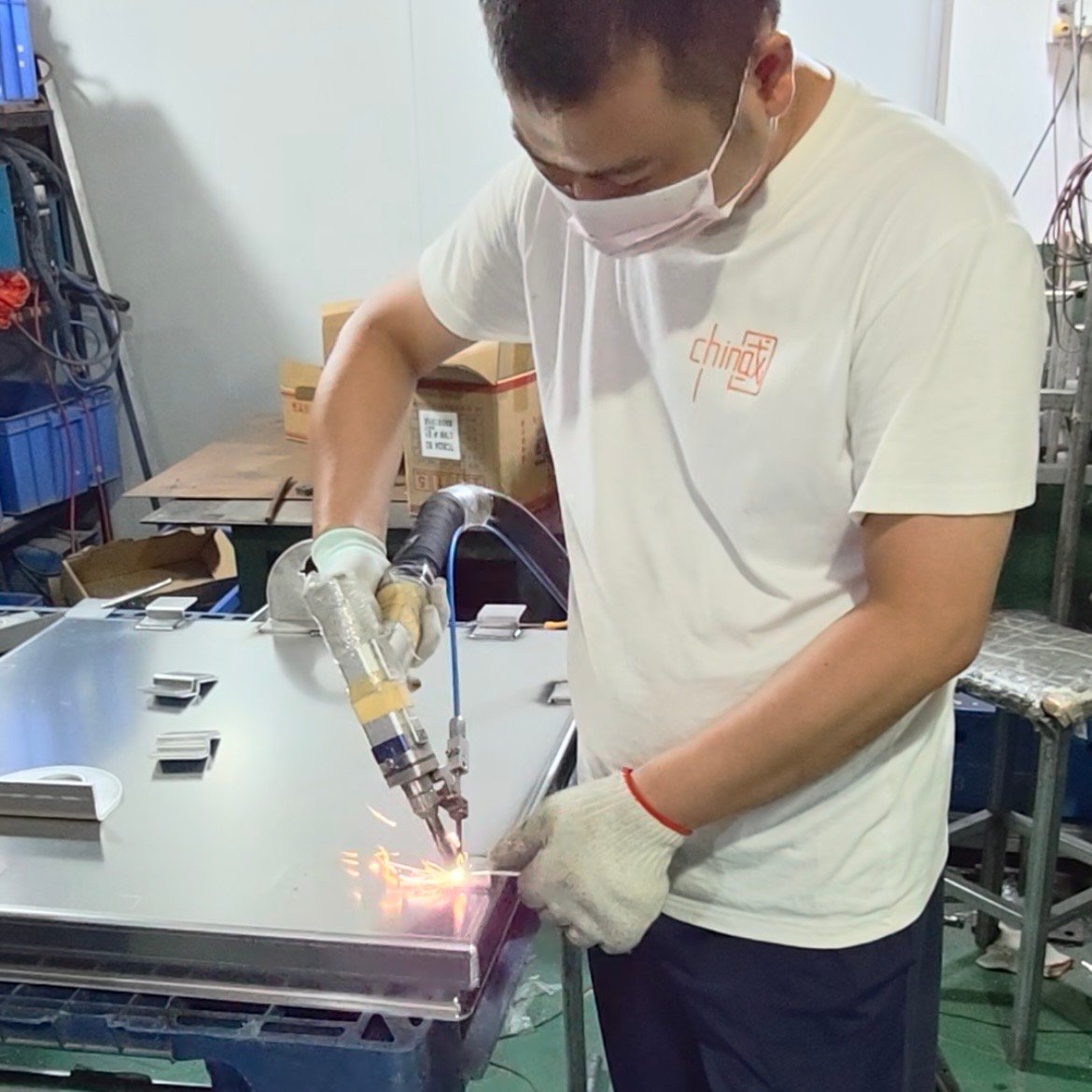
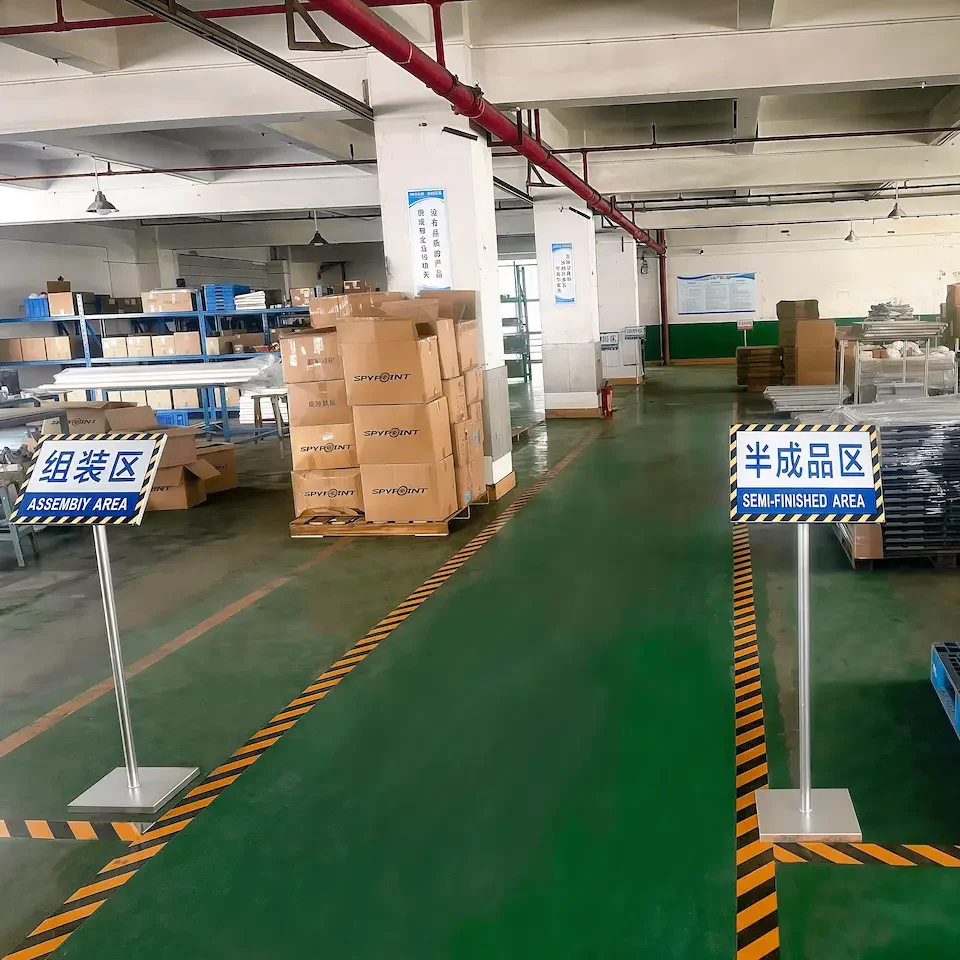
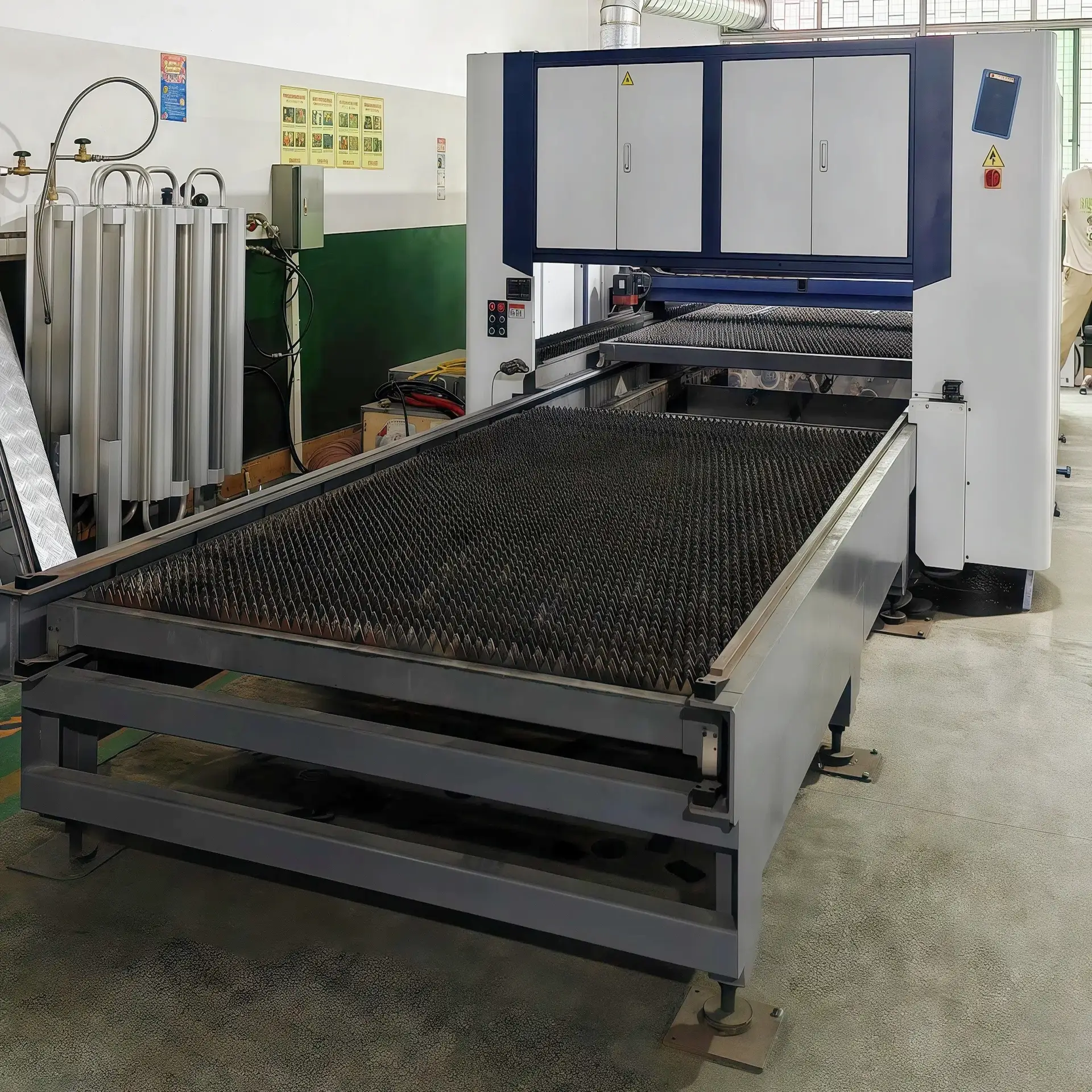
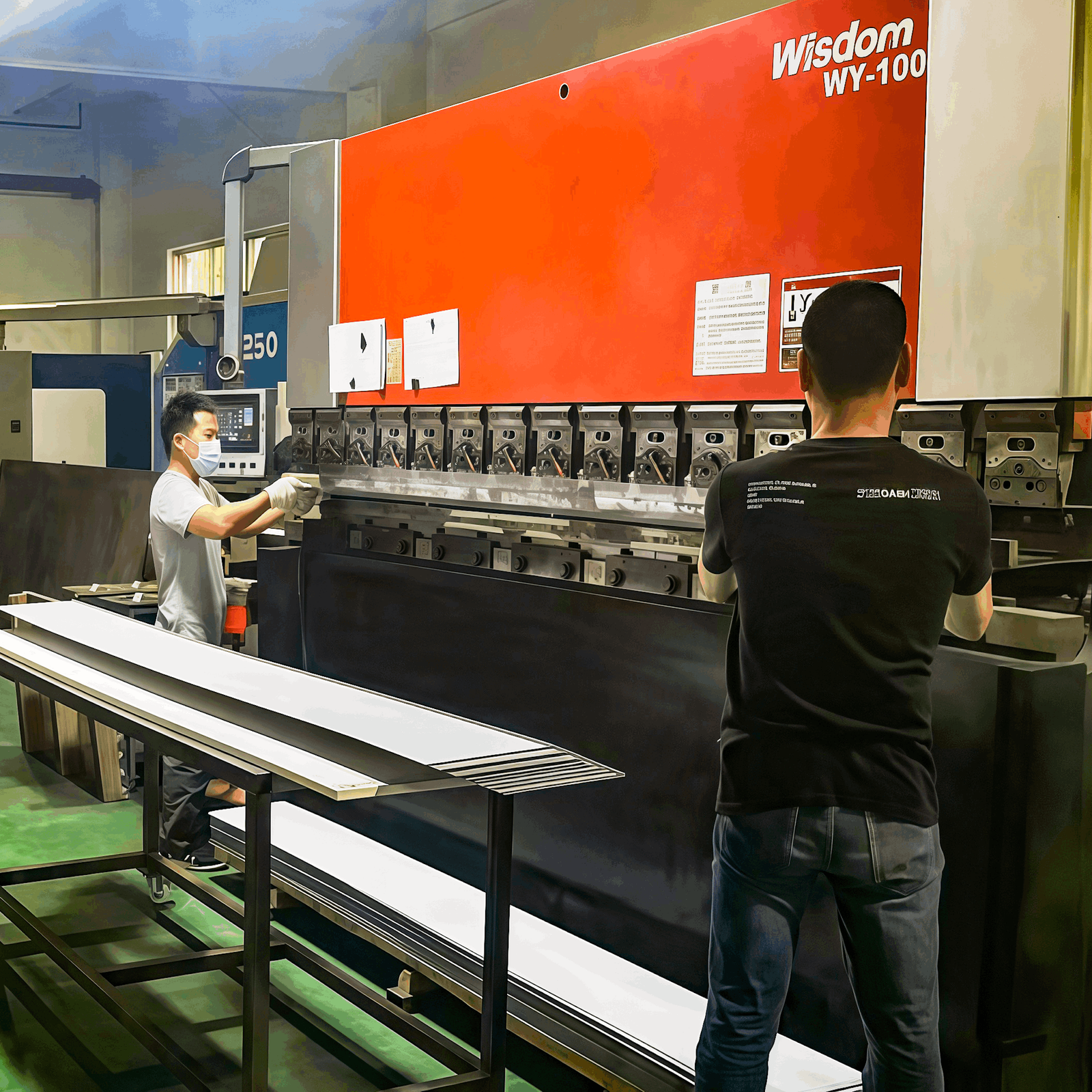
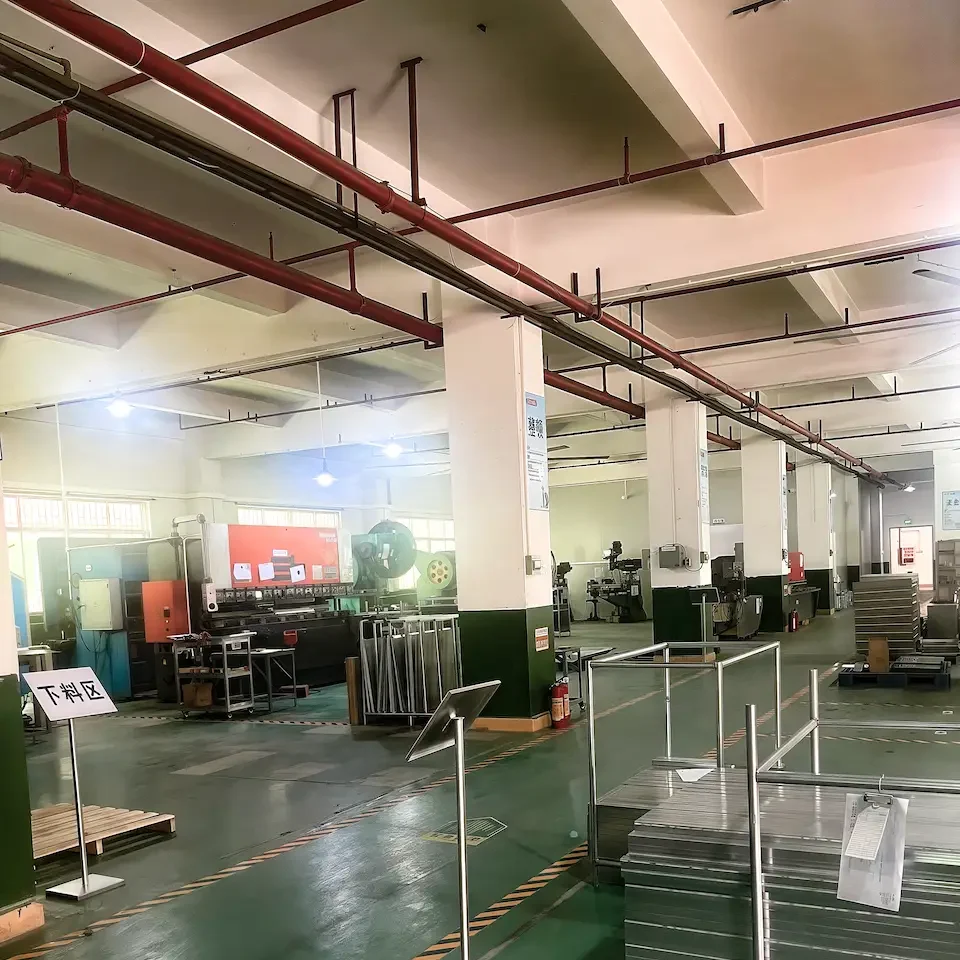
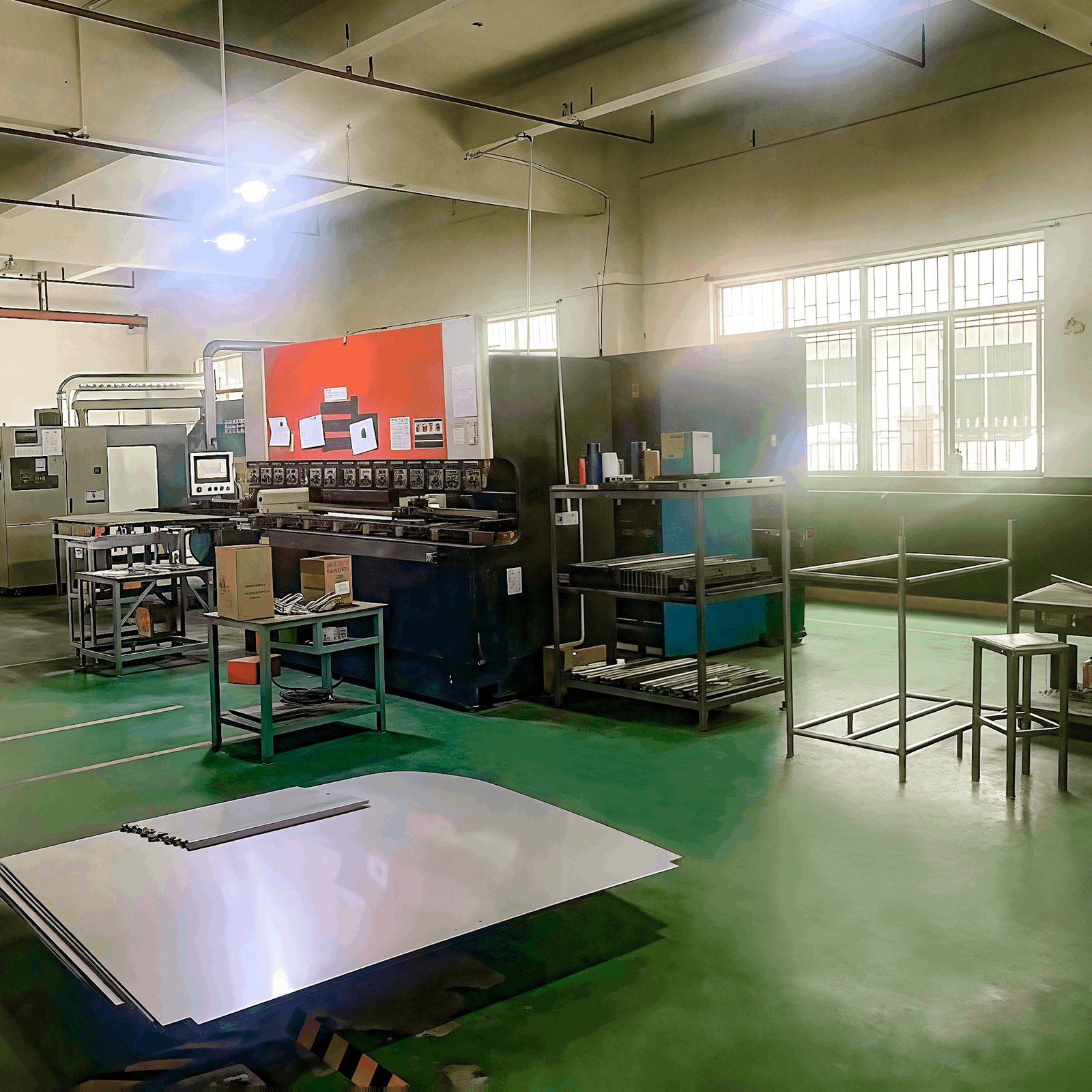
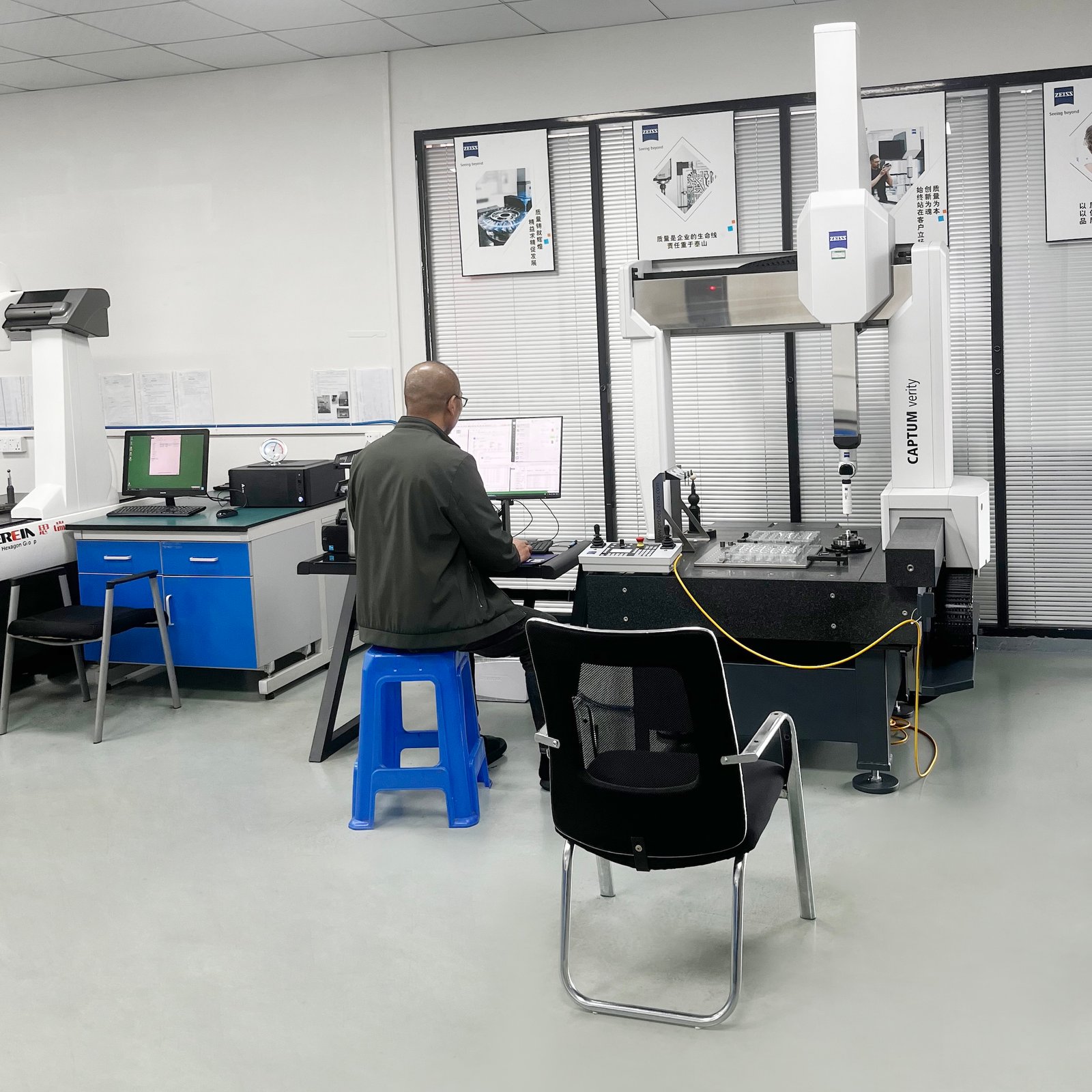
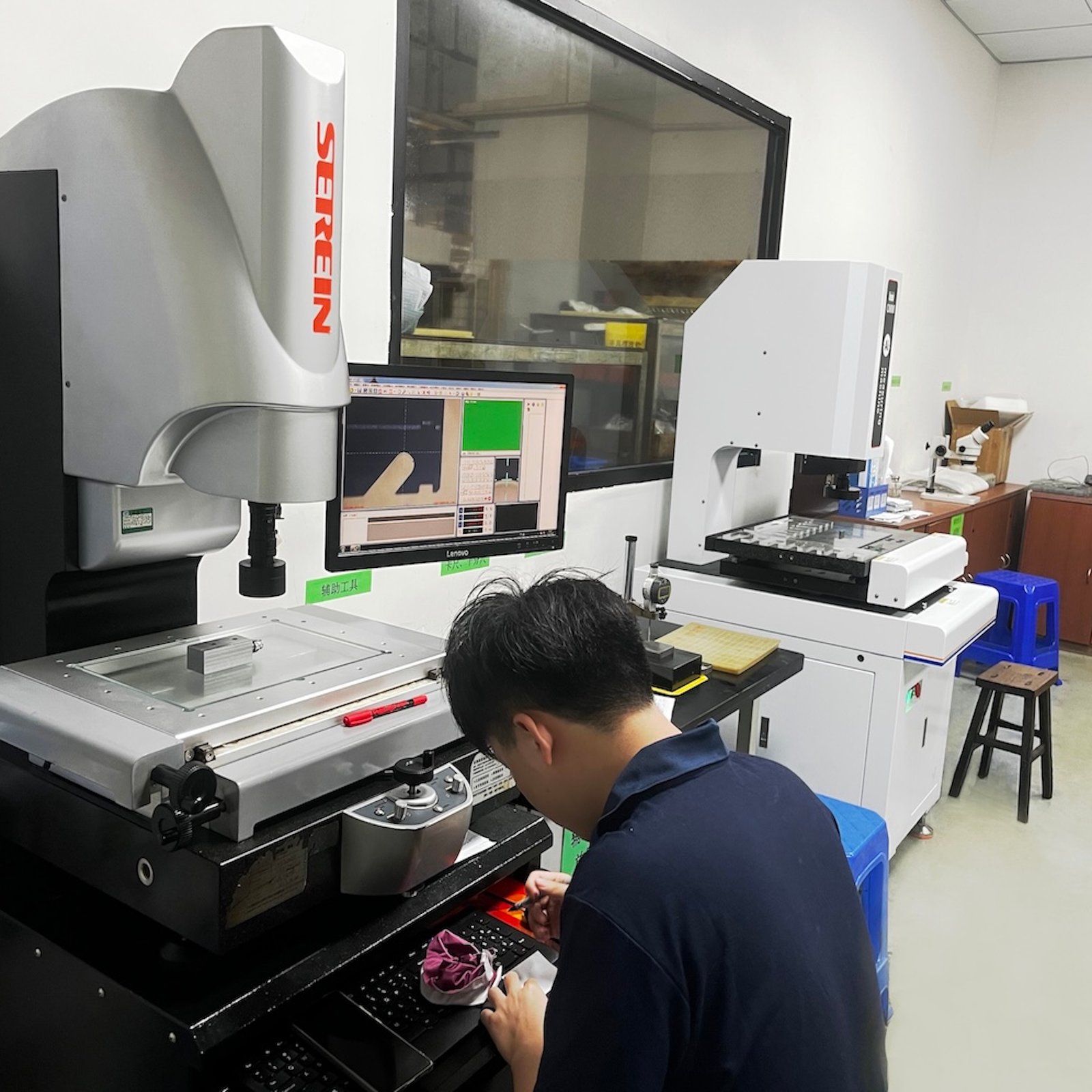
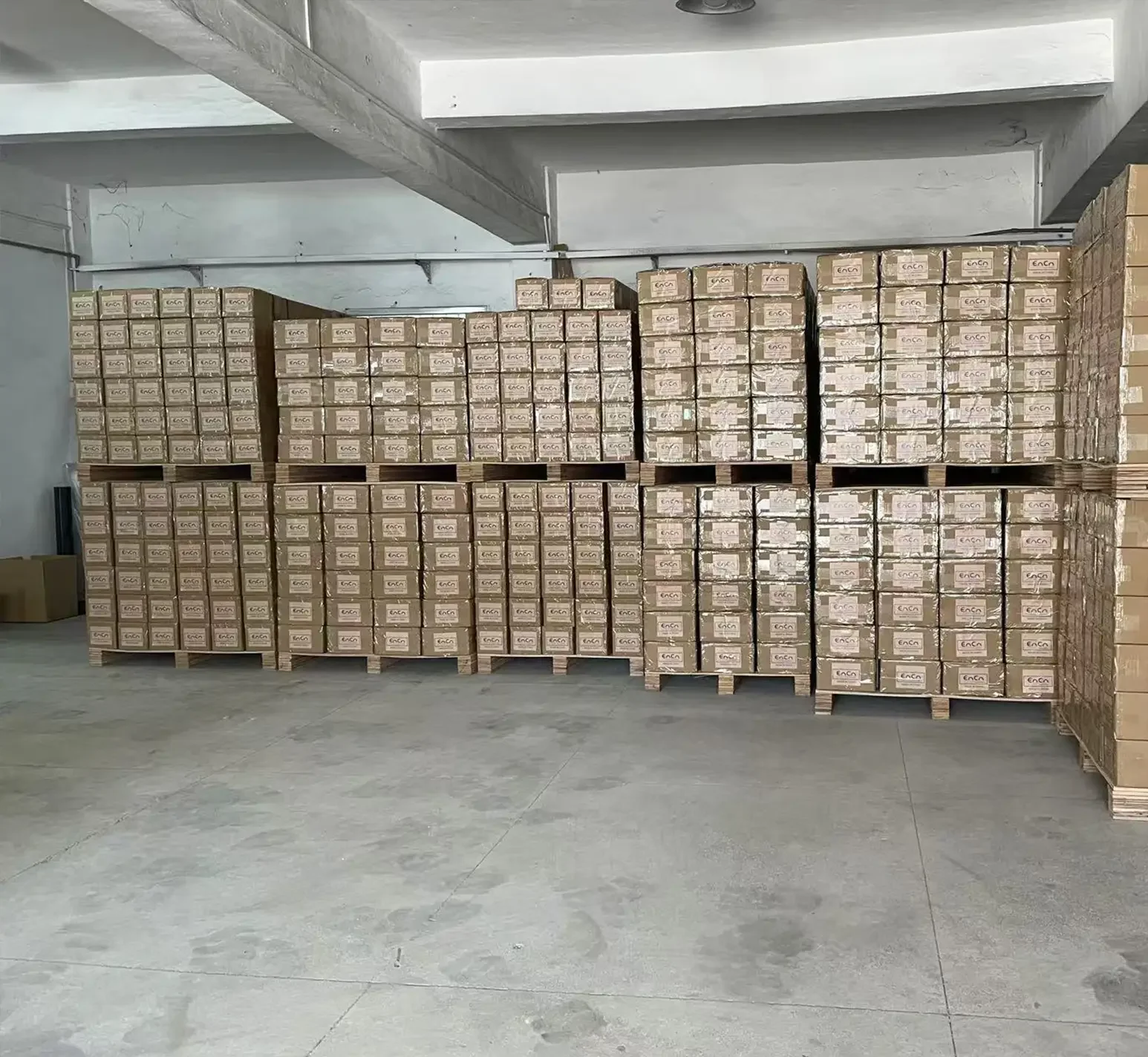
From cutting and forming to welding and finishing, our team focuses not only on meeting specifications, but also on ensuring that each component is manufacturable, consistent, and ready for real-world use.
Whether for custom projects or repeat production, we aim to turn complex requirements into reliable, production-ready solutions.
Contact us today to discuss your project or request a custom solution tailored to your needs.