


Structures & Frames Fabrication
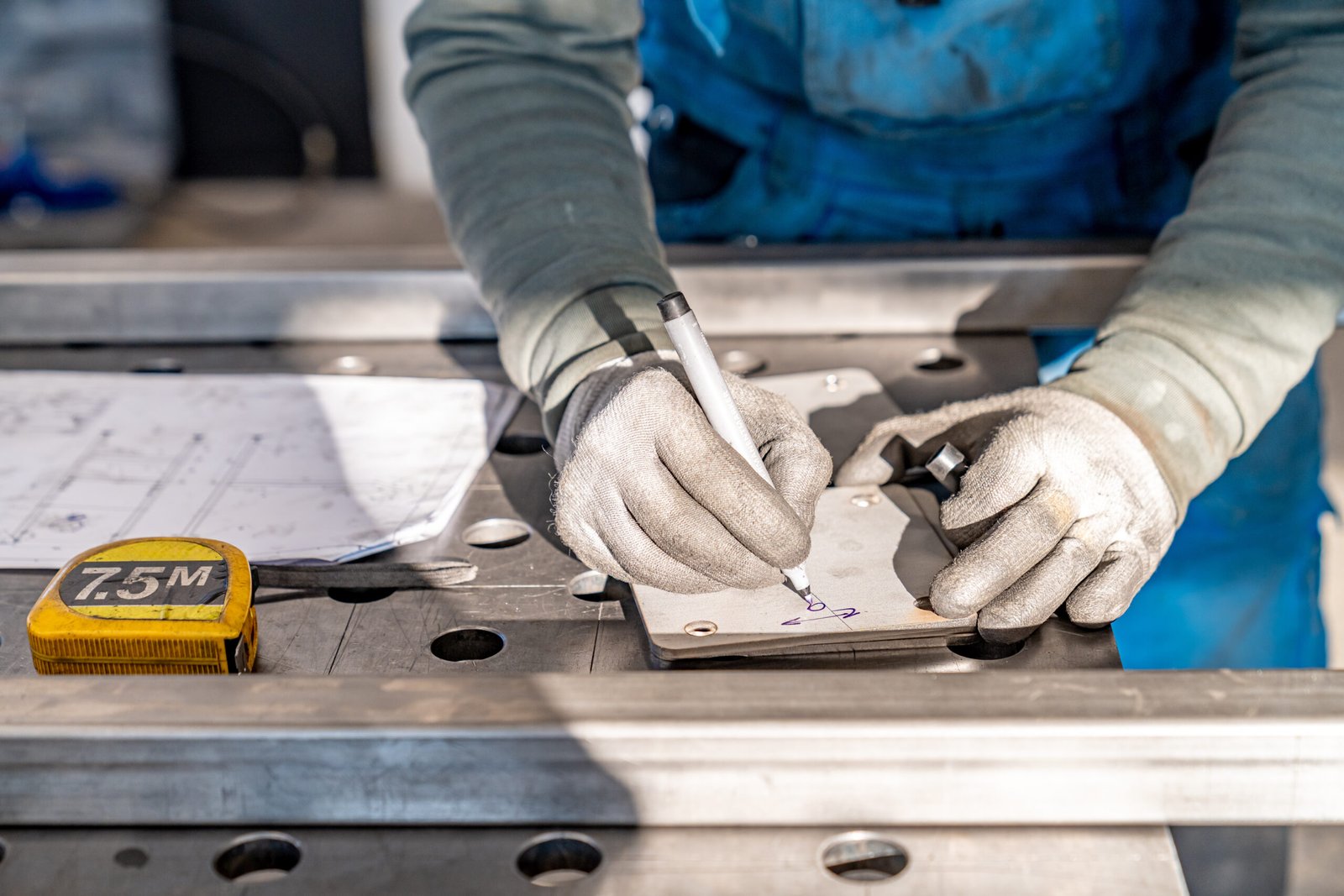
Engineered for strength and built to perform, our custom metal structures and frames provide reliable support across a wide range of applications. With precise fabrication and controlled assembly, we ensure every structure meets the highest standards of durability and accuracy.
Custom Structures & Frames Fabrication
Structures and frames are the backbone of many industrial and commercial products. They provide essential support, stability, and alignment for components across a wide range of applications.
At XTron Metal, we specialize in fabricating custom metal structures and frames with a focus on structural integrity, dimensional accuracy, and long-term durability. From simple support frames to complex welded assemblies, we deliver solutions tailored to your exact requirements.
What We Offer
We provide end-to-end fabrication for a wide range of structural components, including:
- Metal support frames
- Equipment bases and structural stands
- Welded assemblies and sub-frames
- Sheet metal structures and housings
- Custom brackets and load-bearing components
Each structure is manufactured according to your design specifications, ensuring precise fit and reliable performance.
Manufacturing Capabilities
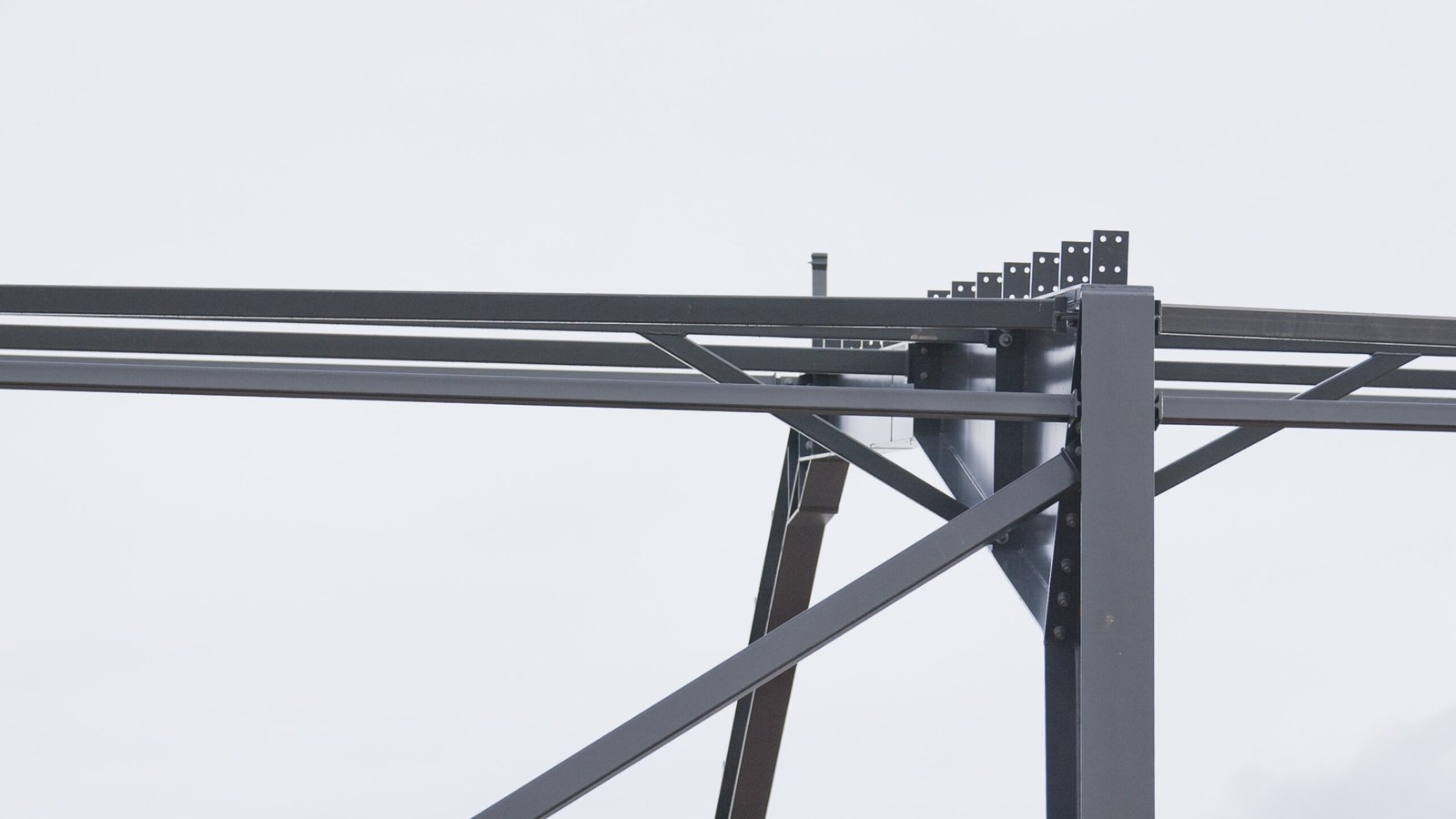
Our structure and frame fabrication is supported by a combination of advanced processes:
- Laser Cutting – precise profiling for complex geometries
- Bending & Forming – accurate shaping for structural parts
- Welding (TIG / MIG / Laser Welding) – strong and clean joints
- Assembly & Fixture Control – ensuring alignment and consistency
- Surface Finishing – optional treatments for protection and aesthetics
We focus on controlled workflows and consistent execution to ensure every structure meets real-world performance demands.
Materials We Work With
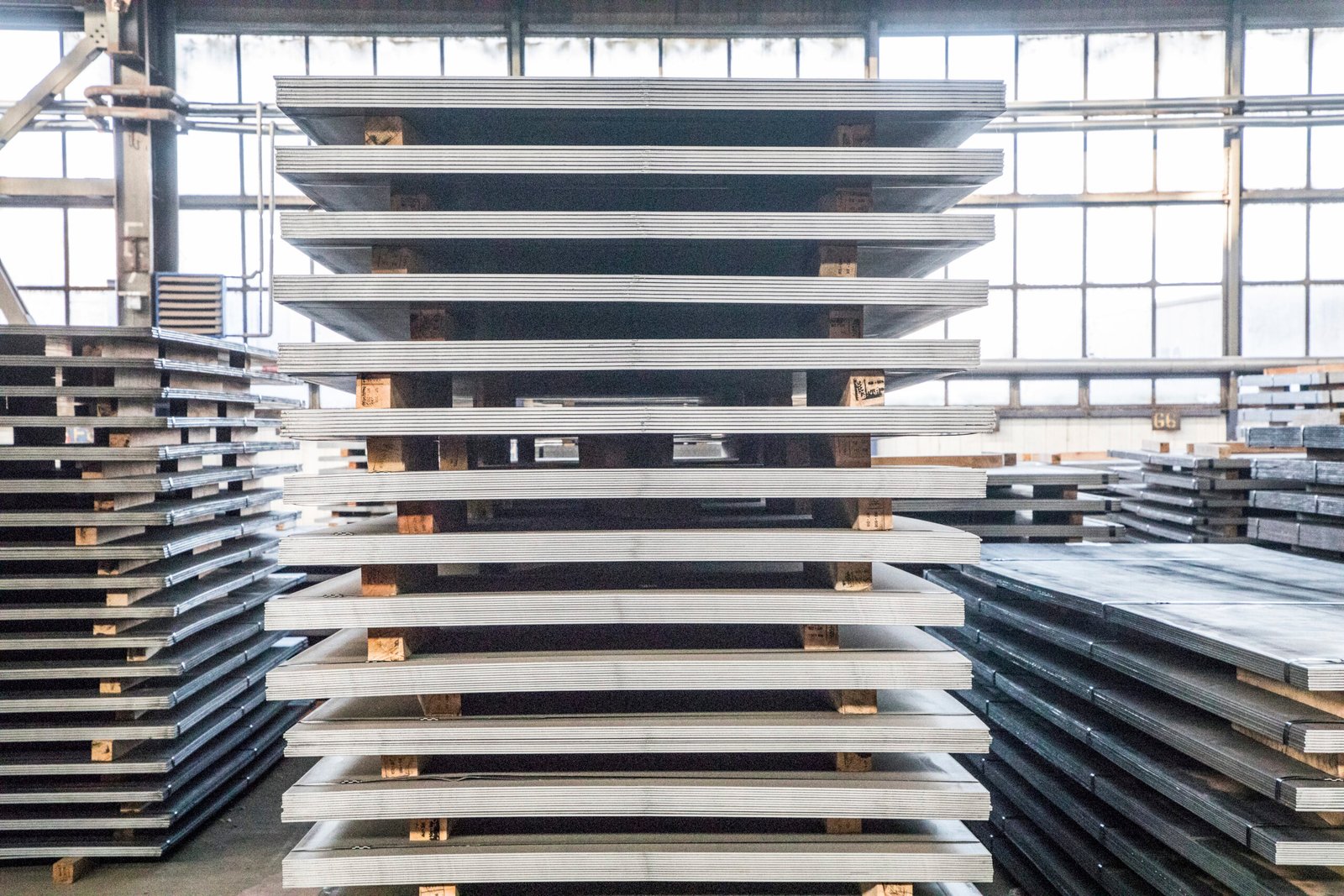
We support a variety of commonly used structural metals:
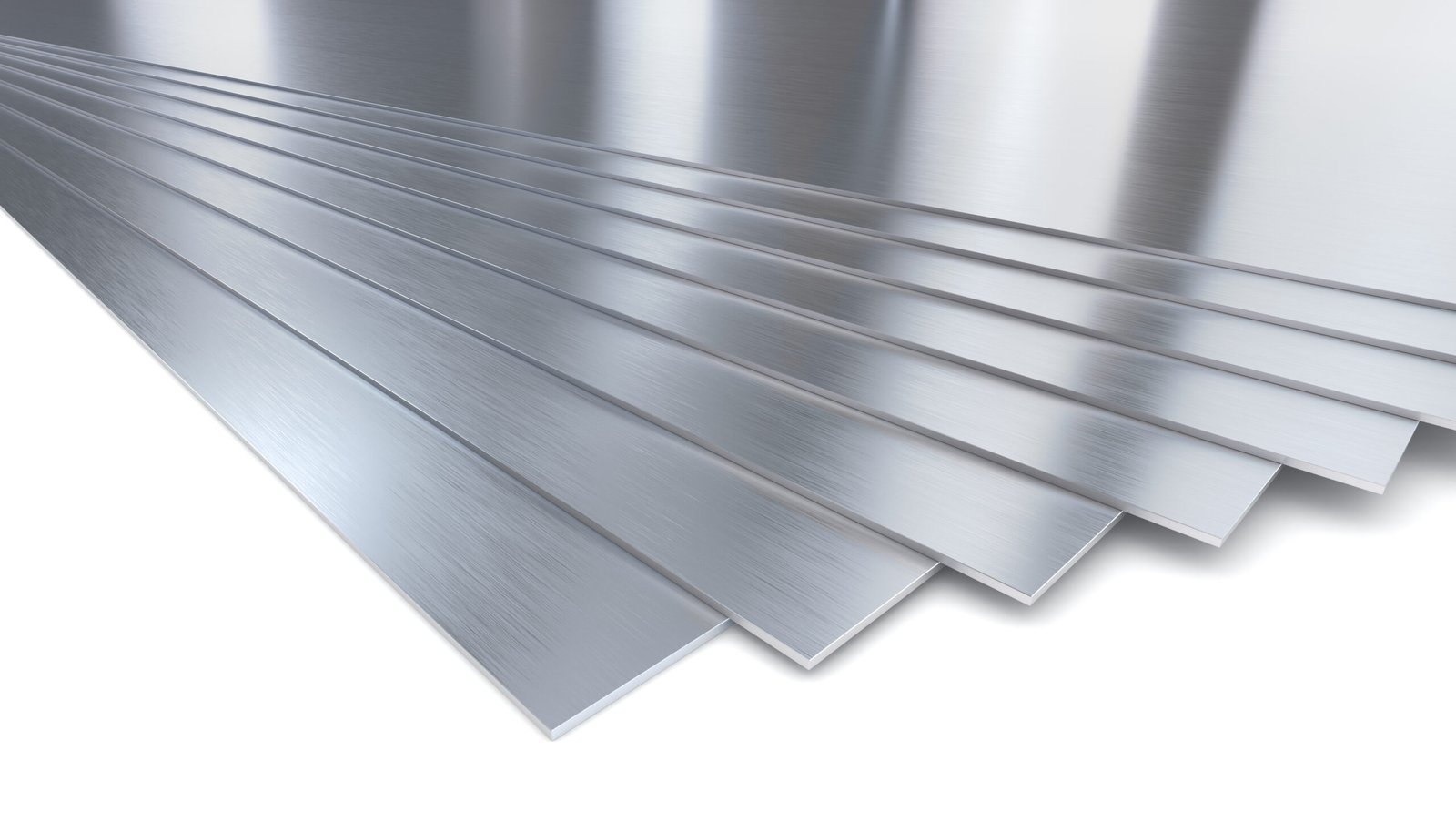
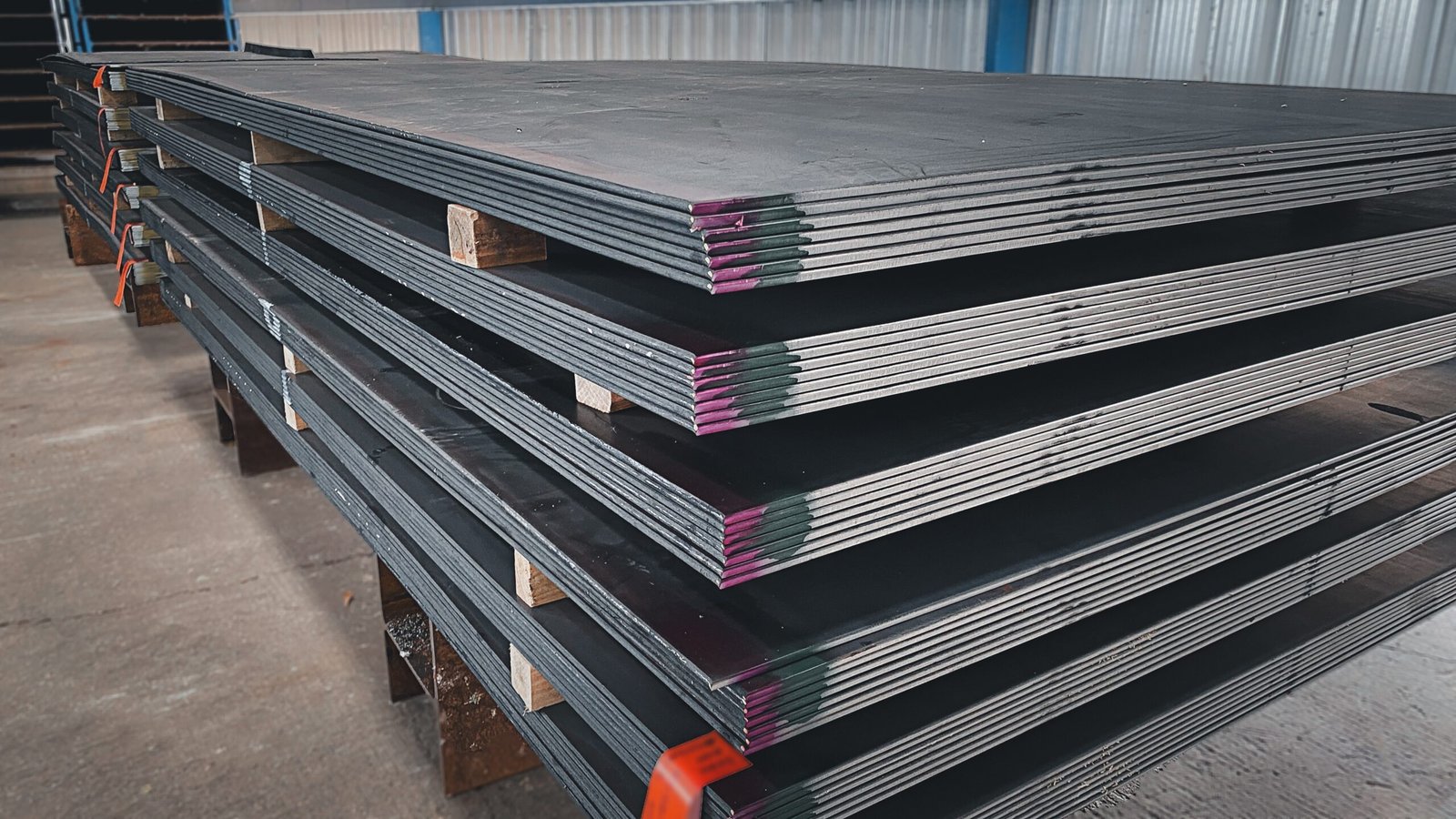
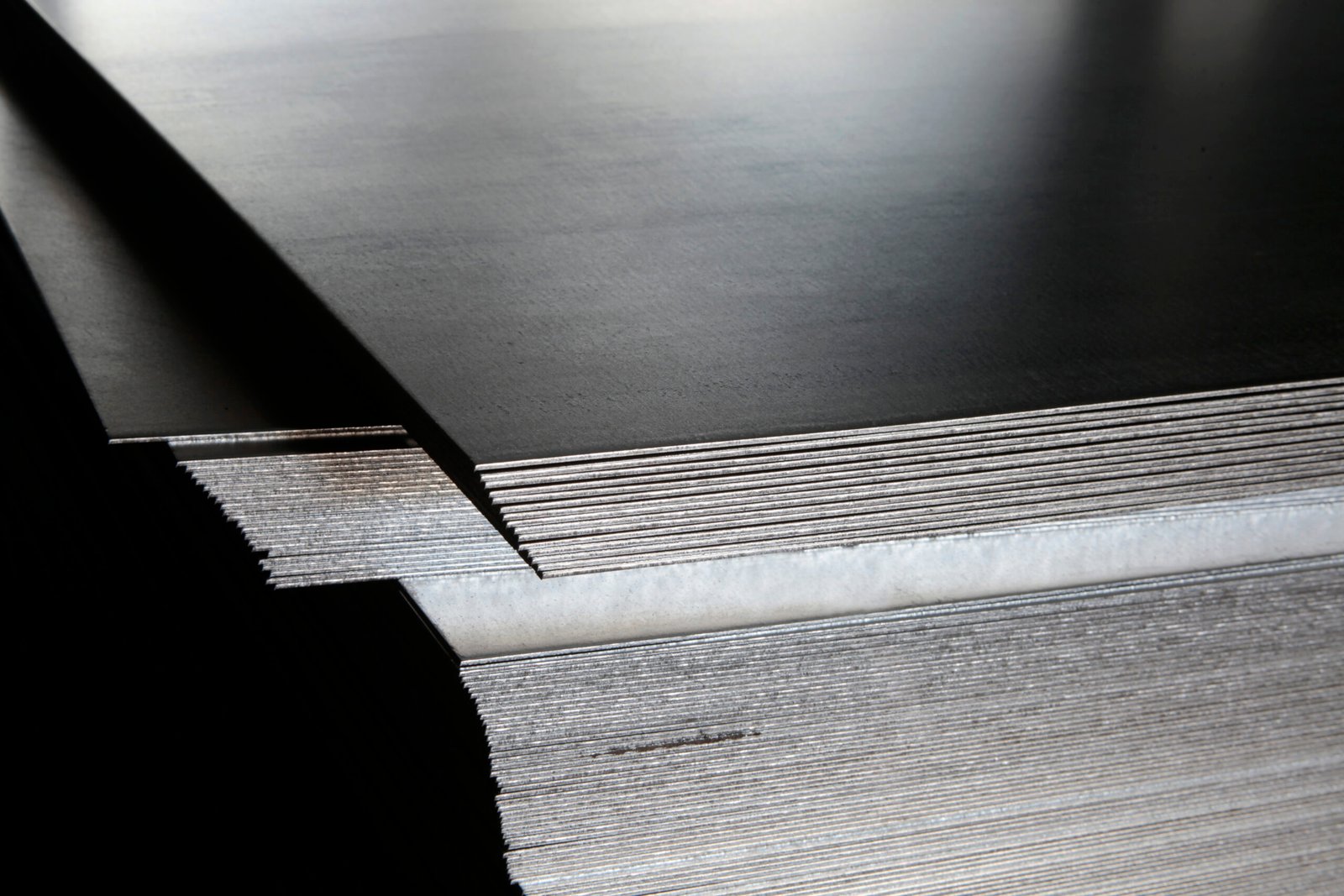
- Carbon Steel
- Stainless Steel (201 / 304 / 316)
- Aluminum (5052 / 6061)
- Galvanized Steel
Material selection can be customized based on strength requirements, environment, and cost considerations.
Applications
Our structures and frames are widely used in:
- Industrial Equipment
Machine frames, supports, and structural bases - Electrical & Enclosure Systems
Cabinet frames and internal support structures - Furniture & Interior Applications
Metal frames for tables, shelves, and custom installations - Mechanical Assemblies
Structural components integrated into larger systems - Outdoor & Structural Installations
Frames requiring durability in harsh environments
Why Choose XTron for Structures & Frames Fabrication?
Structural Thinking at the System Level
A sheet metal chassis must function as a unified structure rather than a collection of formed parts. At XTron Metal, chassis fabrication is approached from a system perspective, considering load paths, stiffness distribution, and interface relationships across the entire assembly. This structural thinking ensures the chassis supports components consistently and performs reliably under real operating conditions.
Geometry Stability Across the Structure
Chassis performance depends on how well geometry is maintained throughout forming and joining. XTron Metal focuses on preserving alignment and dimensional consistency across bends, joints, and mounting features so the final structure assembles as intended. This attention to geometry stability reduces fit-up issues and supports repeatable assembly in both prototype and production builds.
Global Shipping Expertise
XTron Metal supports customers worldwide with reliable international shipping and export coordination. Our team is experienced in handling overseas orders, export packaging, and international logistics to ensure sheet metal chassis are delivered safely and on schedule. No matter where you are located, we provide clear communication, proper documentation, and dependable shipment execution, making it easier to source precision sheet metal components through a reliable manufacturing partner.
Structures & Frames Fabrication Related Products
Structures & Frames Fabrication Related FAQs
How do you control dimensional accuracy during assembly?
We use dedicated fixtures and jigs during welding and assembly to maintain alignment and control distortion. Combined with precise cutting and forming processes, this ensures that the final structure meets specified tolerances and assembly requirements.
What tolerance can you achieve for structural components?
Tolerance depends on part size, geometry, and fabrication method. For most sheet metal structures, we can achieve standard fabrication tolerances, while tighter tolerances can be controlled through precision cutting and fixture-based assembly. Specific requirements can be discussed and confirmed per project.
What types of structures and frames can you produce?
We produce a wide range of custom structures, including equipment frames, support bases, welded assemblies, and load-bearing components. Whether your project is simple or complex, we tailor the fabrication process to meet your specific requirements.
GET A FREE QUOTE TODAY
Your top-tier metal fabrication partner from China.