


Surface Finishing
Precision surface finishing solutions designed to enhance durability, protection, and visual appeal. From powder coating to polishing and anodizing, we deliver high-quality finishes tailored to meet both functional requirements and modern design standards.
Custom Surface Finishing Service
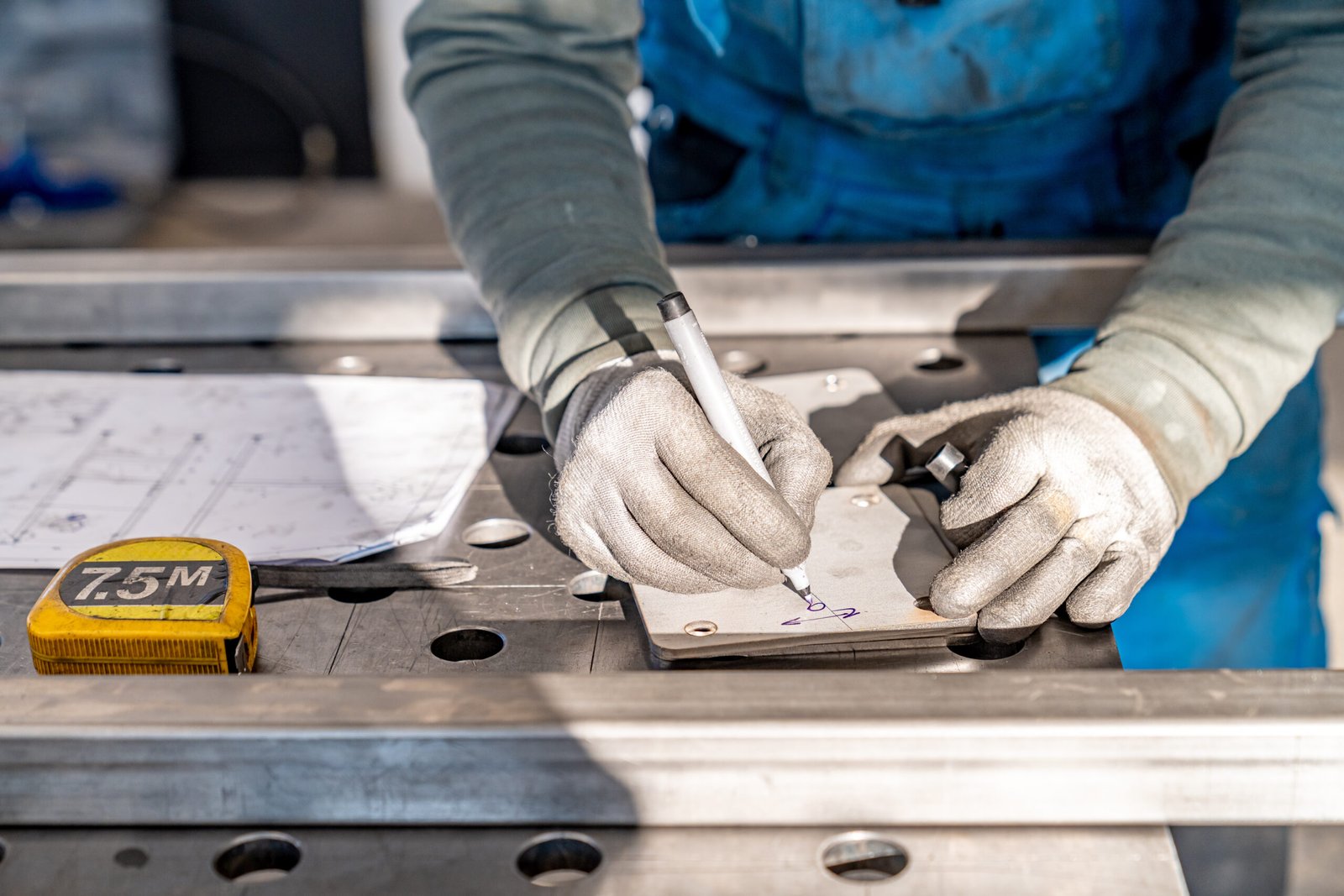
Surface finishing is the final step in metal fabrication that improves both the functionality and visual quality of a product. It involves applying mechanical, chemical, or coating processes to the surface of metal parts.
Beyond aesthetics, surface finishing plays a critical role in:
- Corrosion resistance
- Wear protection
- Surface smoothness and precision
- Electrical conductivity or insulation
- Product lifespan and durability
At XTron Metal, we offer a range of finishing solutions tailored to your application, ensuring every part not only performs reliably but also meets your visual expectations.
Our Surface Finishing Capabilities
Powder Coating
A durable and uniform coating applied electrostatically and cured under heat.
- Excellent corrosion resistance
- Wide range of colors and textures
- Ideal for outdoor and industrial use
Anodizing (Aluminum)
An electrochemical process that strengthens the natural oxide layer of aluminum.
- Improved corrosion and wear resistance
- Clean, metallic appearance
- Available in multiple colors
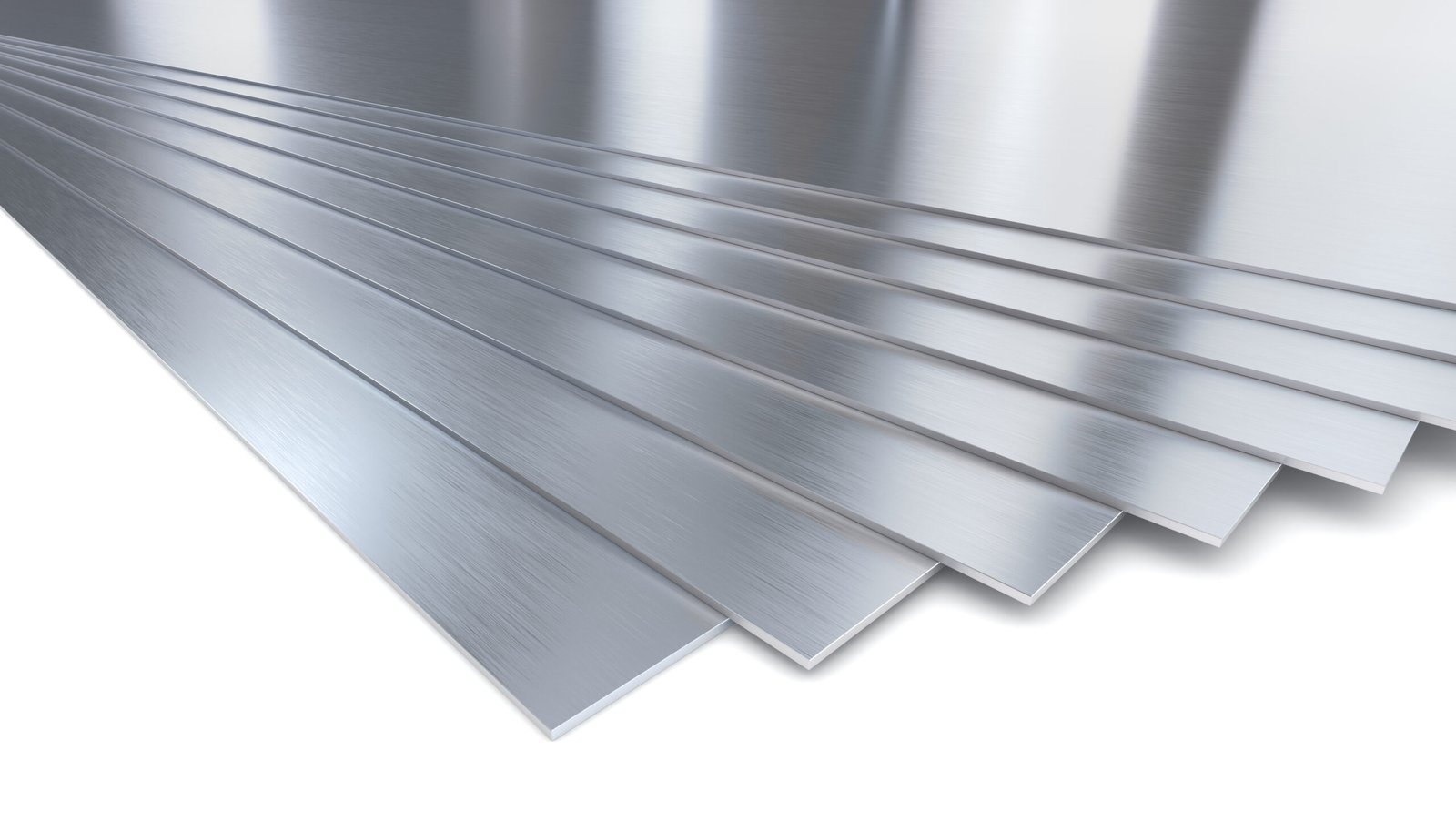
Brushing / Hairline Finish
A mechanical finishing process that creates a consistent linear texture.
- Modern and premium appearance
- Reduces visible fingerprints and scratches
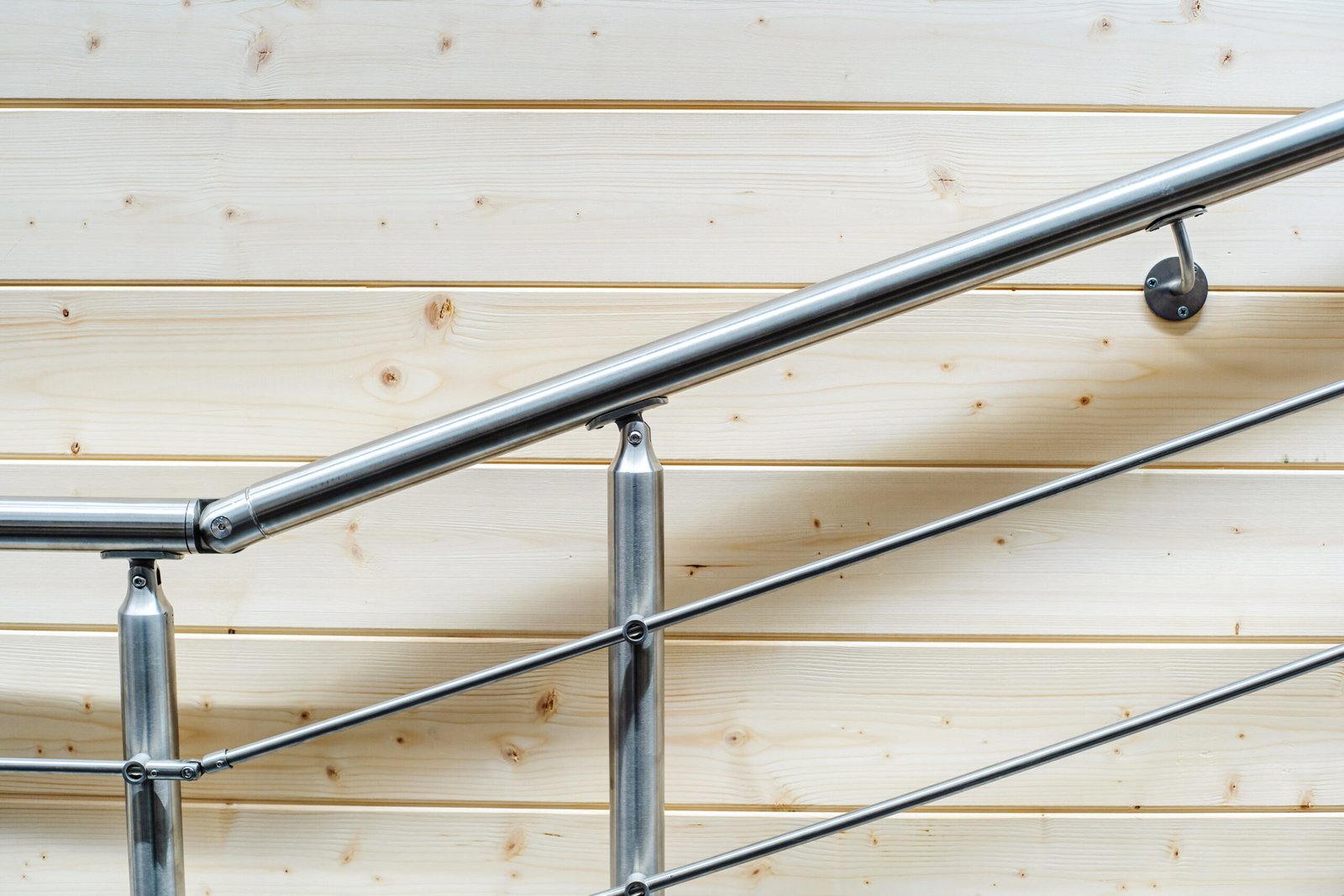
- Common for decorative and architectural parts
Polishing (Mirror / Satin)
Enhances surface smoothness and reflectivity through mechanical processes.
- Mirror finish for high-end visual impact
- Satin finish for softer, refined look
- Suitable for stainless steel components
Sandblasting
A process that uses abrasive media to clean and texture surfaces.
- Matte and uniform finish
- Improves coating adhesion
- Removes oxidation and surface impurities
Electroplating (Zinc, Nickel, Chrome)
A chemical process that deposits a metal layer onto the surface.
- Increased corrosion resistance
- Enhanced hardness and durability
- Decorative and functional applications
Black Oxide
A chemical conversion coating for steel components.
- Mild corrosion resistance
- Reduced light reflection
- Maintains dimensional accuracy
Applications
Our surface finishing solutions are widely used across various industries and product types:
- Industrial Equipment
Enhancing durability and corrosion resistance for long-term performance - Electrical Enclosures & Cabinets
Providing insulation, protection, and a clean professional look - Furniture & Decorative Metal Parts
Achieving premium textures and modern aesthetics - Mechanical & Structural Components
Improving wear resistance and surface performance - Outdoor Products
Protecting against weather, moisture, and UV exposure
Why Choose XTron for Surface Finishing
Cross-Section Integrity Control
Tube bending is not only about achieving the correct angle, but also about preserving the tube’s cross-section throughout the bend. At XTron Metal, tube bending is planned with attention to wall thinning, ovality, and dimensional consistency along the bend radius. This ensures bent tubes maintain structural integrity and fit accurately into assemblies without excessive deformation.
Bend Geometry and Repeatability
Consistent tube bending requires precise control of bend radius, orientation, and alignment, especially for multi-bend or complex geometries. XTron Metal emphasizes repeatable forming results by evaluating bend configuration and material behavior before production. This allows bent tube parts to meet geometric requirements reliably across prototypes and production batches.
Global Shipping Expertise
XTron Metal supports customers worldwide with reliable international shipping and export coordination. Our team is experienced in handling overseas orders, export packaging, and international logistics to ensure tube bending parts are delivered safely and on schedule. No matter where you are located, we provide clear communication, proper documentation, and dependable shipment execution, making it easier to source precision sheet metal components through a reliable manufacturing partner.
Surface Finishing Related Products
Surface Finishing Related FAQs
Can surface finishing improve corrosion resistance?
Yes. Many surface finishing processes, such as powder coating, anodizing, and electroplating, are specifically designed to protect metal parts from corrosion, moisture, and environmental exposure. Choosing the right finish can significantly extend the lifespan of your product.
Do surface finishing processes affect part dimensions?
Some finishing processes, such as electroplating or powder coating, add a thin layer to the surface, which may slightly affect dimensions. However, these changes are typically minimal and can be controlled during production. We take finishing thickness into account to ensure your parts meet precise tolerances.
Can you handle finishing together with fabrication?
Yes. We provide one-stop solutions from fabrication to finishing, which helps ensure better quality control, faster lead times, and smoother communication. In general, most finishing processes can be completed within a few days after fabrication. We always aim to keep turnaround time short and will confirm timelines upfront.
GET A FREE QUOTE TODAY
Your top-tier metal fabrication partner from China.